
Cost control on a bespoke luxury home is often misunderstood. It does not mean compromising the quality of the finished property. It means understanding what drives cost, making informed decisions and maintaining visibility throughout the project.
The first step is a clear brief. Without clarity, budgets are built on assumptions. The client may have a vision for space, materials, finish and technology, but if those expectations are not translated into a clear scope, the cost plan will remain uncertain.
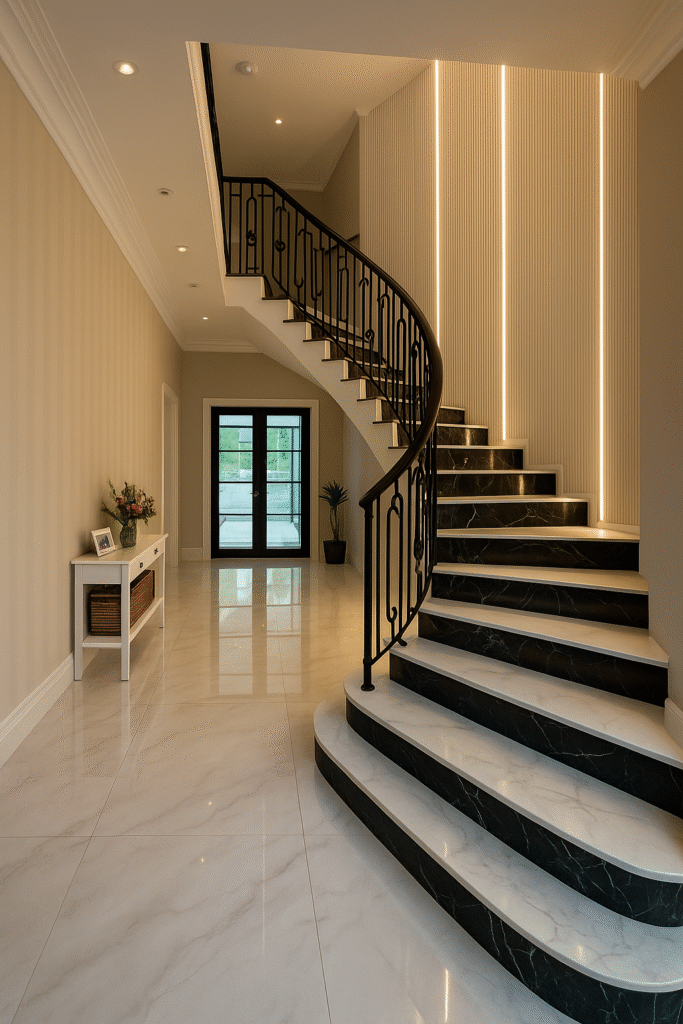
Specification is the next major factor. In luxury residential construction, the specification can change the budget significantly. Kitchens, bathrooms, stone, glazing, joinery, lighting, smart home systems, landscaping and mechanical systems all carry different cost implications. The earlier these are defined, the easier it is to price accurately.
Allowances also need careful attention. A provisional allowance can be useful where a final decision has not been made, but it must be realistic. If an allowance is too low, the budget may look comfortable at the beginning and become pressured later.
Procurement timing is another key part of cost control. Specialist materials and bespoke items often have long lead times. Late procurement can lead to delay, substitutions or additional costs to recover time. A clear procurement schedule helps the client make decisions before they become urgent.
Cost control also depends on tracking change. Bespoke homes often evolve during the process. A client may choose a different finish, adjust a layout or add a feature. These decisions are part of creating a personal home, but each change should be costed and approved clearly.
Good project management supports cost control by keeping information current. The client should know what has been committed, what remains provisional and what decisions are still open. This avoids surprises and allows decisions to be made with confidence.
Clients can protect the budget by asking:
– What is included in the current cost plan?
– Which items are provisional?
– What assumptions have been made?
– What decisions are still outstanding?
– How will changes be priced and approved?
– How often will the budget be reviewed?
Cost control is not a one-time exercise. It is an ongoing discipline. On a high-end home, the aim is to protect the quality of the final result while giving the client clarity and confidence throughout the build.
Orb Vision combines project management, construction management and quantity surveying insight to help private clients control cost without losing sight of quality.